

What are the quality signs of a standard polyethylene pipe?
Polyethylene pipes, as one type of plastic pipe, are used in many industries and applications. But identifying the quality of polyethylene pipes can be a challenge for many people. In this article, we will examine methods for identifying the quality of polyethylene pipes and the characteristics of quality polyethylene pipes, and provide tips for choosing higher quality pipes.
Definition of polyethylene pipe
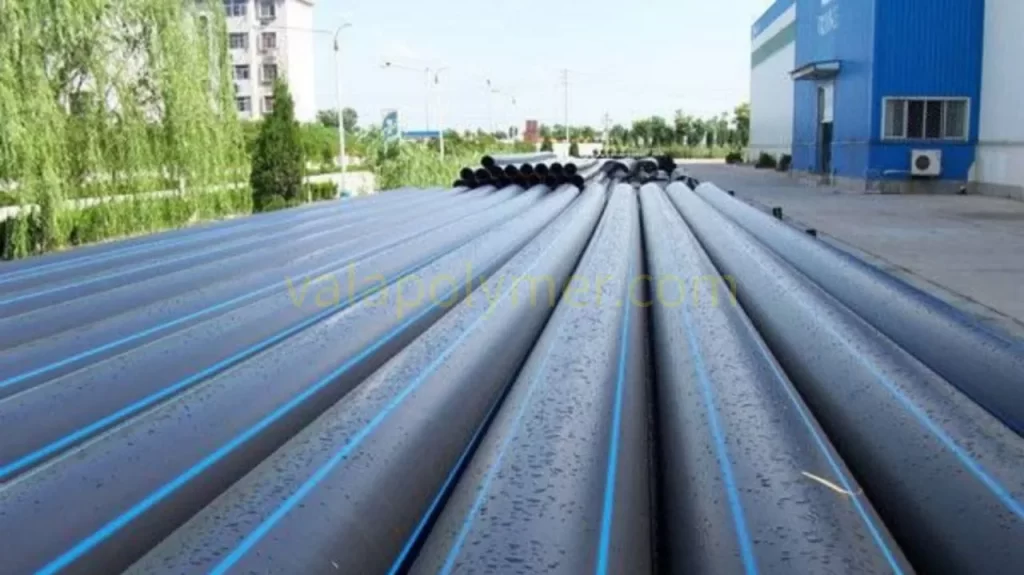
Polyethylene pipe is a type of plastic pipe made from polyethylene as the main material. These pipes are used in many industries due to their special characteristics, such as corrosion resistance, lightness, flexibility, and no water loss.
Advantages and disadvantages of polyethylene pipes
Polyethylene pipes have their own advantages and disadvantages. Some of the advantages include:
- Corrosion resistance: Polyethylene pipes have high resistance to chemical and electrochemical corrosion.
- Lightness: These pipes are very light, making them easy to transport.
- Flexibility: Polyethylene pipes have high flexibility and are easily flexible and bendable.
- No water loss: Polyethylene pipes are highly resistant to water loss and ensure no water infiltration.
In addition, some of the disadvantages of polyethylene pipes include:
- Heat sensitivity: Polyethylene pipes are sensitive to high temperatures and may deform under the influence of heat.
- Sensitivity to UV rays: These tubes may be affected by UV rays and may discolor or weaken.
Further reading: What are the uses of different types of polyethylene pipes?
Determining the quality of polyethylene pipes
To determine the quality of polyethylene pipes, you can use the following methods:
بررسی استانداردها و گواهیها
High-quality polyethylene pipes must meet relevant standards and have valid certificates. When purchasing polyethylene pipes, verify that the product you are looking for meets industry standards and has the necessary certificates.
Examination of the material and composition
High-quality polyethylene pipes are made from high-quality raw materials. If possible, research what type of polyethylene the manufacturer uses and what compounds it uses. High-quality materials ensure better service life and performance.
Examination of physical and chemical properties
Studying the physical and chemical properties of pipes can help you determine their quality. Weight, wall thickness, resistance to bending and pressure, and heat resistance are among the characteristics that can be examined.
Performing mechanical and compressive tests By performing mechanical and compressive tests on pipe samples, you can evaluate their quality and strength. Tests such as internal pressure test, bending test, and impact test can provide useful information about the performance of pipes.