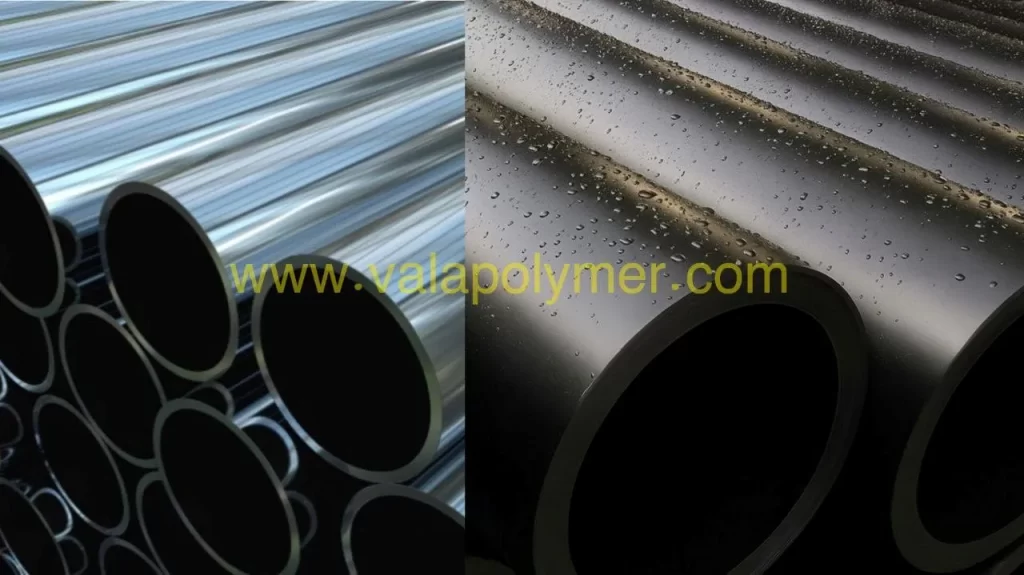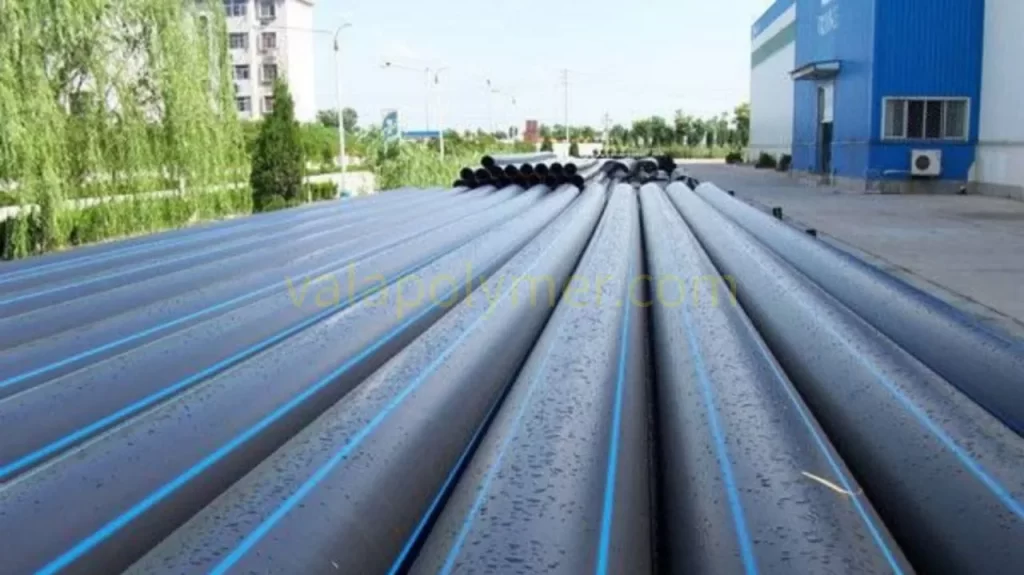


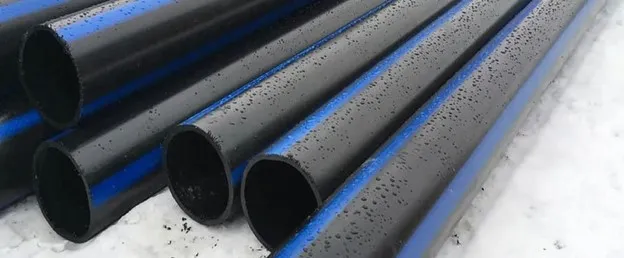
One of the new types of pipes that is widely used in industries is polyethylene pipe, which has gained great popularity among industrialists due to its excellent features, advantages and applications. The materials from which these pipes are made are obtained from petroleum products, and although these materials are also used in the manufacture of plastic products, their main use is in the production of pipes and fittings. Now these pipes have become a suitable replacement for metal or cast iron pipes, but what features of them have made this happen? In this article, we are going to talk about the benefits of polyethylene sewage pipes. In addition, we will discuss 7 of the most important features of polyethylene sewage pipes.
Features of polyethylene sewage pipe
In the past, when metal or cast iron pipes were used, craftsmen faced many problems and challenges, one of the most important of which was rust and the high weight of these pipes. Of course, their very short life and low durability, as well as their very difficult and difficult installation, should not be overlooked, all of which caused these pipes to give way to plastic pipes. Today, manufacturers produce various plastic pipes, one of the most widely used of which is polyethylene pipe, which has many advantages in transporting sewage and liquids.
One of the characteristics of polyethylene sewage pipes is that these pipes are produced in both single-wall and double-wall forms, with the double-wall type being used in sewage. These pipes easily allow the transfer of drinking water, and because they are non-toxic and hygienic, most industries prefer to use these types of pipes instead of other pipes.
Read more: Advantages of single-walled pipe
Advantages of using polyethylene pipes in sewage
Below, we intend to mention 7 of the most important benefits of polyethylene sewage pipes and provide you with explanations about them.
Polyethylene pipes have high resistance to impact and pressure.
One of the best advantages of polyethylene sewage pipes is their high resistance to impact and pressure, which increases their lifespan and prevents them from needing to be replaced for a long time. Only very hard impacts and pressures pose a threat to these pipes; otherwise, they do not easily break or crack, and therefore they can be easily buried underground and be sure that no problems will arise for them.
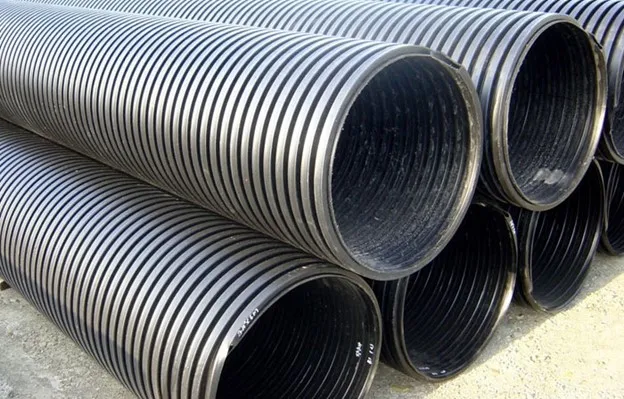
It is good to know that various damaging factors, such as the pressure from moving vehicles on the ground, cannot affect these pipes and cause cracks or damage to them, provided that they are installed at a standard and appropriate depth and are protected from the pressure of moving vehicles.
Over the years of industrial use of these pipes, polyethylene pipes have proven their high resistance to damaging factors, and even if a heavy and hard object falls on the ground and these pipes are buried at an appropriate depth, you can be sure that no problems will arise for them.
High resistance of polyethylene pipes to corrosion and sedimentation
Another advantage that facilitates the use of polyethylene pipes in the transportation of sewage is their resistance to corrosion and sedimentation. Different atmospheric conditions can affect pipes that have low resistance and cause corrosion in them; but since the pipes we are talking about are made of polyethylene chemicals, we can be sure that these pipes will maintain their durability against corrosion for a long time. Acidic substances cannot have much effect on these pipes either; because this issue has been tested many times and polyethylene pipes have passed this test.
Regarding the resistance of these pipes to sedimentation, we should also say that because their inner surface is smooth and polished, water and liquids pass through them well and do not leave any residue, and therefore there is no problem of sedimentation in the pipes. As we said, these pipes are also resistant to acid, so if the pipe gets clogged, you can easily unclog the pipes using acid or other substances.
The lifespan of polyethylene sewage pipes is long.
The structure of polyethylene pipes is molecular, and for this reason, they have a long lifespan and do not lose their durability and durability for a long time. These pipes are produced in a non-degradable form, and for this reason, they will not lose their properties if buried underground. There are different types of polyethylene pipes, one of which, called PE 100, can last up to 15 years. This long lifespan has caused industries to turn to using polyethylene pipes in order to avoid additional costs and …
High flexibility of polyethylene sewage pipe
Because polyethylene pipes are highly flexible, you can easily install them anywhere you want. High flexibility is known as one of the most important advantages of polyethylene pipes, which has prevented contractors from facing any challenges or problems while installing these pipes. A contractor needs pipes that can be easily bent and twisted when changing direction, and polyethylene pipes give the contractor this opportunity. Because these pipes bend very easily, contractors can simply weld their ends and also place these pipes together.
Light weight and expansion properties of polyethylene sewage pipes
Polyethylene pipes are used as urban and intercity sewage pipes and must be transported to different parts of the city, but since they are light in weight, this will not cause any problems for contractors. In fact, the metal or cast iron pipes that were used before were heavy and presented contractors with difficulties in transporting them. Workers also had to bear a heavy load when unloading metal or cast iron pipes; but with polyethylene pipes, there is no longer any heavy weight and workers can easily unload and place these pipes together. These pipes also have the property of expansion, which means that they do not change shape or structure on cold days of the year and do not change size much on hot days of the year.
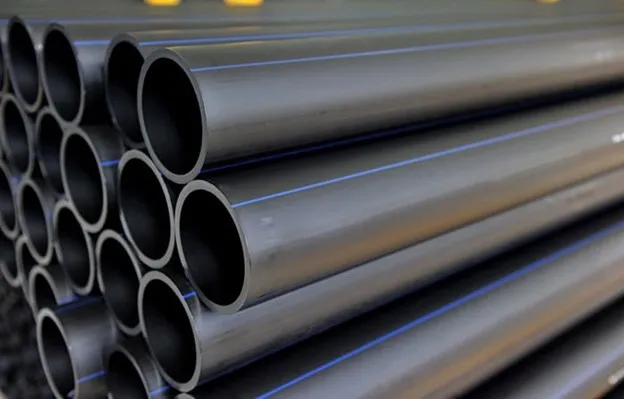
Advantages of polyethylene sewage pipes
Simple connections and simple sealing of polyethylene sewage pipes
One of the advantages of polyethylene sewage pipes is that they can be easily cut and joined together. Polyethylene pipes are made of plastic, so they do not require carbon welding. You can use a simple hacksaw to cut these pipes and weld them together after you have touched their ends together. If a leak occurs in the pipes you welded, you can either replace the area or apply a polyethylene dressing to it.
Thickness of polyethylene sewage pipes
Polyethylene pipes come in different thicknesses, each of which is manufactured for specific purposes. The thicker the polyethylene pipes, the greater their pressure resistance.
Conclusion
In this article, we have discussed in detail the benefits of polyethylene sewage pipes so that you can become familiar with the positive features of this type of pipe. Polyethylene pipes are a suitable alternative to old pipes that created many problems and challenges for installation and use. These pipes simplify the work of technicians, helping them to do their jobs better and more easily, as well as with greater accuracy.
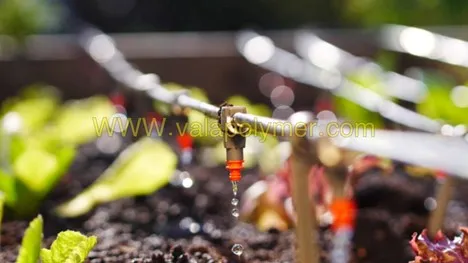
Vala Polymer sells various types of polyethylene sewage pipes and other products such as water supply equipment or irrigation equipment, and you can easily benefit from the professional services of our experienced staff and staff by visiting our website. If you need advice on the benefits of using polyethylene pipes in sewage or want to know more about the features of this type of pipe, you can contact us using the numbers in the contact us section. Our experts will also help you in purchasing these pipes and eliminate the problems and challenges of purchasing polyethylene pipes for you.