

The difference between PE100 and PE80 polyethylene pipes; a smart choice for industrial and construction projects
Polyethylene pipe is known as one of the most widely used types of plastic pipes in water supply, sewage, agriculture, gas supply and various industrial projects. The two most widely used grades of this product are PE80 polyethylene pipe and PE100 polyethylene pipe, each of which has its own characteristics, advantages and limitations.
Polyethylene and its role in the production of polyethylene pipes
Polyethylene (PE) is a thermoplastic polymer produced by the polymerization of ethylene gas. It is widely used in the production of polyethylene pipes due to its properties such as flexibility, chemical resistance, light weight, and high durability.
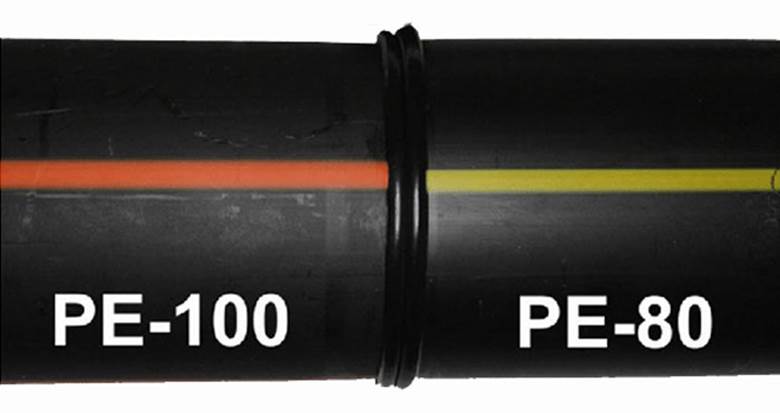
The three main grades of polyethylene in the pipe industry are:
- PE63: Older, with less resistance to pressure.
- PE80: High-performance grade with wide application in medium-pressure projects.
- PE100: Newer and more resistant generation, suitable for high pressures and heavy industrial projects.
PE80 polyethylene pipe specifications
- Density and structure: PE80 polyethylene pipe has a lower density than PE100. This increases its flexibility, but its ultimate strength is lower.
- Nominal pressure (PN): Usually produced in the range of PN6 to PN10, meaning it is more suitable for low and medium pressures
- Applications:
- Low-pressure urban and rural water distribution networks
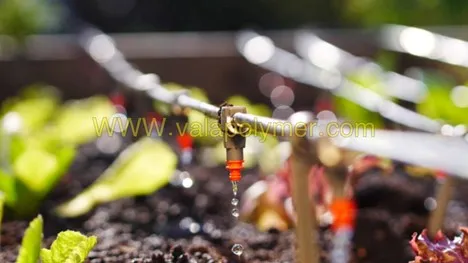
- Pressure irrigation in agriculture
- Light industrial projects
- Advantages: High flexibility, ease of installation, more affordable than PE100
PE100 polyethylene pipe specifications
- Density and strength: PE100 polyethylene pipe has a higher density and greater mechanical strength. This feature provides higher resistance to pressure and cracking.
- Nominal pressure (PN): Usually produced in the range of PN10 to PN16 and can withstand higher pressures.
- Applications:
- Gas transmission and distribution networks
- Main urban water supply lines
- High-pressure industrial systems
- Advantages: Longer life, excellent mechanical resistance, reduced pipe wall thickness to withstand equal pressure (less weight compared to PE80).
Comparison table of polyethylene pipes PE80 and PE100
| Features | PE80 polyethylene pipe | PE100 polyethylene pipe |
| density | کمتر | more |
| Nominal pressure (PN) | PN6 – PN10 | PN10 – PN16 |
| Mechanical resistance | Medium | up |
| Main application | Water supply, agriculture, light industry | Gas supply, heavy industries, water mains |
| useful life | 30–40 years | 50 years or more |
| Flexibility | more | Less than PE80 |
| purchase cost | کمتر | more |
Similarities between PE80 and PE100 polyethylene pipes
Despite significant differences, both grades share common characteristics that have made them very popular in various industries:
- Same raw materials: Both are made of thermoplastic polyethylene.
- High flexibility: Possibility of installation without trenches and in winding paths.
- Chemical resistance: Both types are resistant to many corrosive substances.
- Long lifespan: If installed correctly, they will have a useful life of decades.
- Connection methods: butt welding, electrofusion, and bolted connections.
- UV resistance: Both types have good outdoor resistance with the addition of carbon black and stabilizers.
Choosing between PE80 and PE100 polyethylene pipes; which is more suitable?
The choice between these two grades depends on the project conditions:
- If your project has low or medium pressure (such as agriculture or local water supply), PE80 polyethylene pipe will be an economical and suitable choice.
- If the project requires high pressure resistance, longer life, and greater resistance (such as gas supply or municipal water lines), PE100 polyethylene pipe is the best option.
Reference standards for polyethylene pipes
To ensure quality, reputable polyethylene pipe manufacturers must supply their products in accordance with national and international standards:
- ISO 4427: International standard for polyethylene pipes for water transportation.
- EN 12201: European standard for polyethylene pipes under pressure.
- INSO 14427: Iranian national standard for polyethylene pipes.
New technologies in polyethylene pipe production
- Multilayer pipes: Combining PE100 with other materials to increase strength.
- Nano additives: Use of nanoparticles to increase thermal and mechanical resistance.
- Advanced extrusion technology: more precise control of polyethylene pipe wall thickness and uniformity.
Comparison of polyethylene pipes with other pipes
- Compared to steel pipe: lighter, more corrosion resistant, and lower installation costs.
- Compared to PVC pipe: greater flexibility and higher impact resistance.
- Compared to cast iron pipe: longer lifespan and easier transportation
summary
Both PE80 and PE100 polyethylene pipes are valuable options for industrial and civil projects, but the choice between them should be made based on the actual project needs, operating pressure, cost, and expected lifespan.
- PE80 polyethylene pipe → Suitable for low pressures and agricultural and light water supply projects.
- PE100 polyethylene pipe → Suitable for high pressures, main transmission lines and heavy industrial projects.