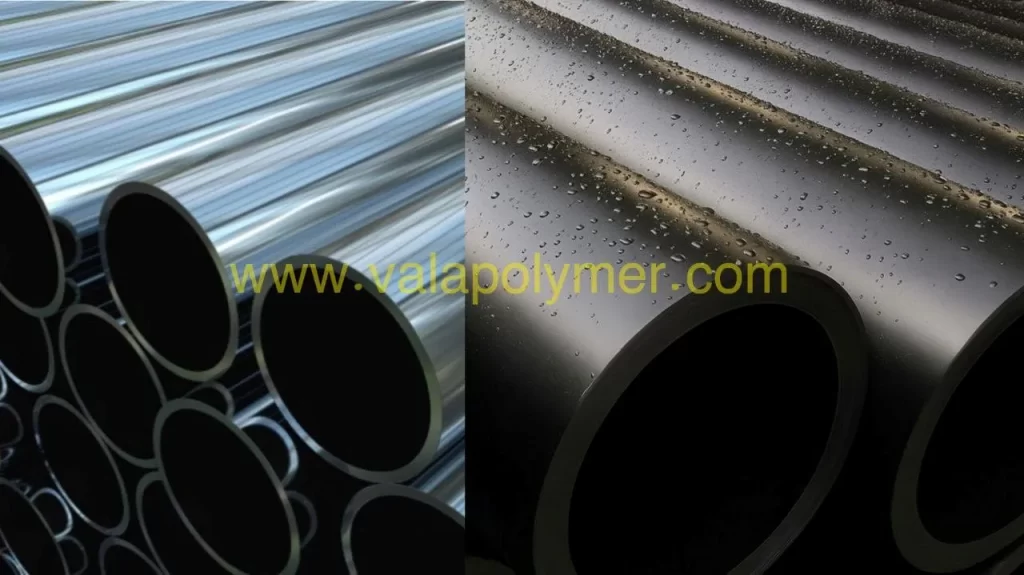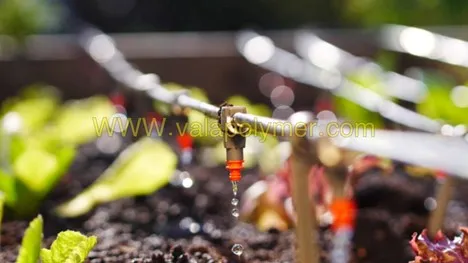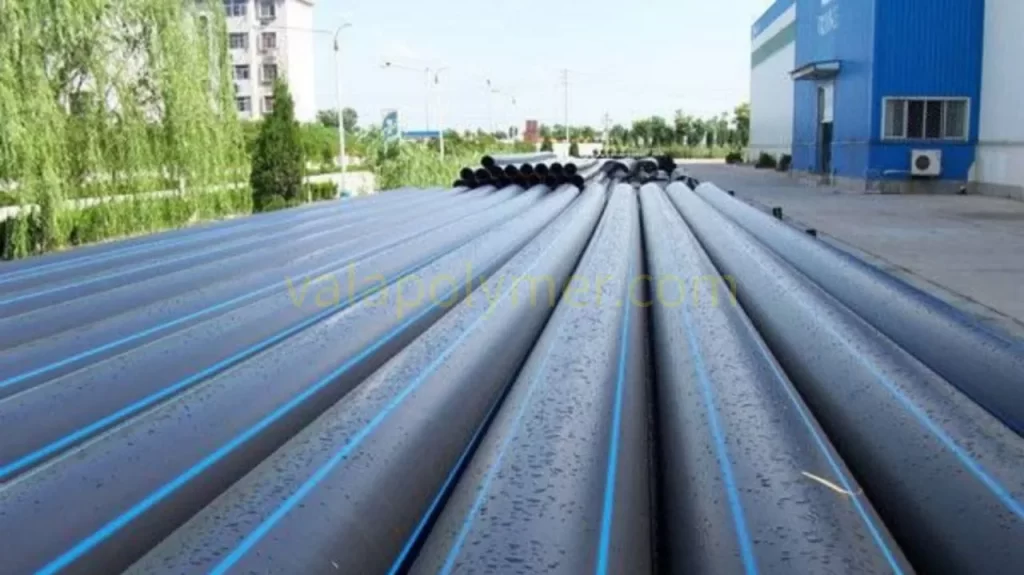


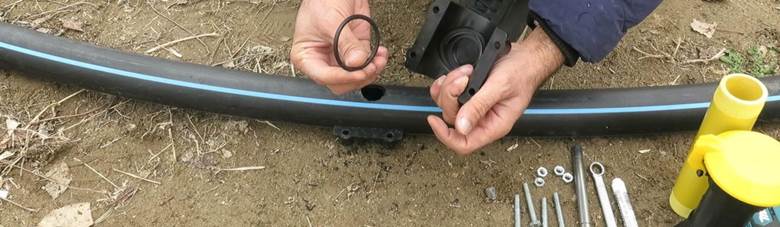
Polyethylene pipes are an essential component in industrial piping systems. These pipes are made of polyethylene and are used to transport a wide range of fluids in various industries, including oil and gas, water and wastewater, agriculture, etc.Among the questions that many people ask is how long Among the questions that many people
Among the questions that many people ask is how long polyethylene pipes have a useful life and is their use optimal in terms of performance and economy? In this article, we will examine the useful life of polyethylene pipes and discuss the advantages and disadvantages of using these pipes.
Advantages and disadvantages of polyethylene pipes
Pros
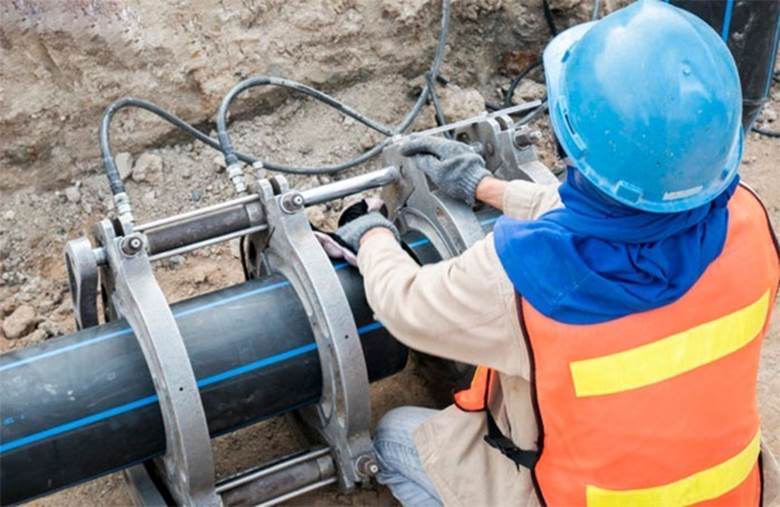
Polyethylene pipes have many advantages that make them a suitable solution for use in various industries. Some of the advantages include:
- Corrosion resistance: Polyethylene pipes are resistant to corrosion and are very suitable for transporting fluids that can corrode pipes, such as water and sewage.
- Flexibility: Polyethylene pipes have high flexibility, which allows for easy installation and connection. This feature reduces the need for complex connections and their associated costs.
- Lightweight: Polyethylene pipes are lightweight, which makes them very convenient to transport and install. This feature also reduces transportation costs.
- Pressure resistance: Polyethylene pipes have high pressure resistance and can withstand high pressures. This feature increases the useful life of the pipes.
- Reduced maintenance costs: Due to their high resistance and lack of need for frequent maintenance and repairs, the maintenance costs of polyethylene pipes are reduced.
Cons
In addition to the advantages, polyethylene pipes also have some disadvantages that are very important to consider when choosing a piping material. Some of the disadvantages include:
- Heat sensitivity: Polyethylene pipes are sensitive to high temperatures, and if exposed to high temperatures, their shape and structure may change and their quality may decrease.
- Sensitivity to sunlight: Sunlight can also affect polyethylene pipes, causing them to crumble and become damaged. Therefore, when installing polyethylene pipes, care should be taken to ensure that they are not exposed to direct sunlight.
- Temperature limitation: Polyethylene pipes may be damaged at very low temperatures and fractures and cracks may occur in their structure.
- Sensitivity to chemicals: Some chemicals can have a negative effect on polyethylene pipes and cause changes in their mechanical and chemical properties.
- Flammability: Polyethylene pipes ignite quickly and can explode if exposed to fire.
What is the useful life of polyethylene pipes?
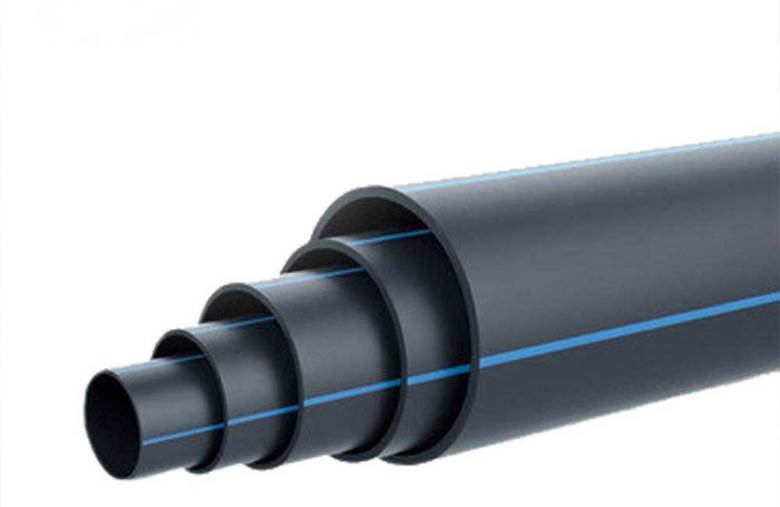
Polyethylene pipes have a very long service life and can last up to 50 years or more. The service life of polyethylene pipes depends on various factors, including:
- Quality of materials used in pipe production: Using high-quality, standard materials in the production of polyethylene pipes increases their useful life.
- Operating and Use Conditions: Polyethylene pipes operate under a variety of conditions, including temperature, pressure, and the type of fluid they are transporting. Use in uphill or downhill conditions may affect their service life.
- Regular maintenance and repairs: Proper and regular maintenance and repairs can extend the useful life of polyethylene pipes. This includes checking the condition of the pipes, preventing cracks and breaks, and following maintenance instructions.
By following standards and technical recommendations, polyethylene pipes can be used for a long time and benefit from their benefits.
Conclusion: Polyethylene pipes, with their advantages and disadvantages, are a desirable solution for piping systems in various industries. Long service life, resistance to corrosion and impact, flexibility, and reduced maintenance costs are among the advantages of these pipes.By adhering to standards and technical recommendations,polyethylene pipes can be used for a long time and achieve optimal performance.