

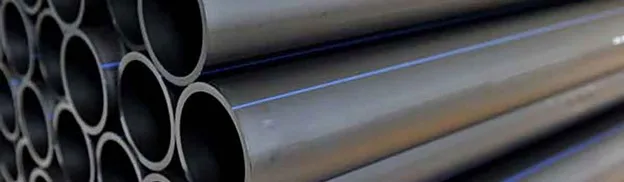
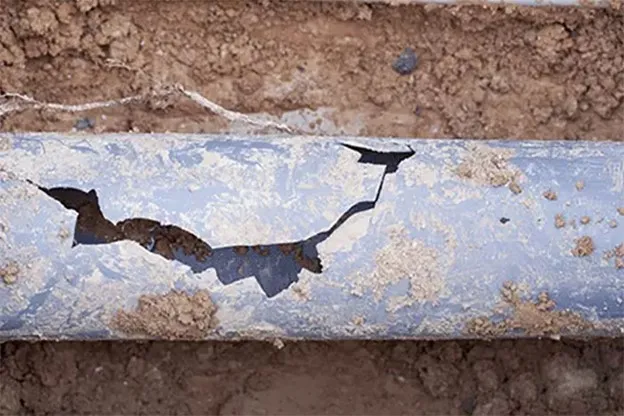
One of the common problems in water transportation, water supply, irrigation, and even gas supply projects is the failure and bursting of polyethylene pipes, the cause of which depends on various factors. Here we want to discuss some of these factors and how to prevent them.
The causes and prevention of polyethylene pipe breakage and bursting can depend on various factors. Below I will discuss some of these causes and prevention methods:
- Mechanical impact and pressure: Polyethylene pipes are produced with high resistance to impact and mechanical pressure. However, some factors such as excessive pressure, severe impacts, winter inertia, adverse environmental factors and improper use can lead to pipe failure and bursting. To prevent this, it is necessary to properly design the piping system and use pipes of appropriate thickness, use appropriate methods for installing and connecting pipes, and pay attention to environmental conditions and system needs.
- Thermal Effects: Temperature changes can affect polyethylene pipes. If the temperature suddenly increases or decreases, the pipes may experience increased thermal stresses and dimensional changes, resulting in breakage or bursting. To prevent this, temperature changes should be considered in the design of the piping system, and it is recommended to protect the pipes from thermal stresses by using methods such as heat-resistant welding and thermal insulation.
- Contact with contaminated chemicals: Polyethylene pipes generally have high chemical resistance. However, if they come into contact with certain contaminated chemicals, such as solvents, acids or alkalis, the pipes may be damaged and may break or burst. To prevent this, when choosing chemicals, it is recommended to use pipes with appropriate chemical resistance and to comply with relevant standards and guidelines.
- Environmental factors: Polyethylene pipes are resistant to environmental factors such as UV rays, moisture, salt water and sea waves. However, if the pipes are exposed to these factors for a long time, the quality and useful life of the pipes may decrease, resulting in breakage and bursting. To prevent this, it is recommended to use pipes with a UV-resistant coating and protect the pipes from moisture and environmental factors using appropriate methods.
- Proper system design: When designing a piping system, you need to consider factors such as pressure, temperature, flow, and environmental conditions. Using pipes of appropriate thickness based on the working pressure, considering temperature changes and thermal stresses, and adhering to industry standards can help prevent breakage and bursting.
- Correct installation and connection: Pipes must be installed and connected correctly. Proper welding of polyethylene pipes is one of the most important factors in preventing failure and bursting in projects. Also, installation and welding of pipe joints, including welded joints, electrofusion joints, screwed joints, etc., must be done using correct methods and in compliance with manufacturer’s instructions and standards.
- Regular maintenance and inspection: Polyethylene pipes require regular maintenance and inspection. Periodic inspections and early detection of problems can prevent breakage and bursting. Also, regular cleaning of the pipes and removal of contaminants can also extend the useful life of the pipes.
- Use of protective materials and coatings: In some cases, the use of polymer layers such as RC can be useful for additional protection of the pipes. These coatings can protect the pipes from hazards such as contact with certain chemicals, rust and temperature changes, scratches, etc.
- Training and awareness: Installation and operation operators should be trained in the proper use of polyethylene pipes and in following the relevant instructions and safety precautions. Being aware of the potential hazards and following safety recommendations can help prevent breakage and bursting.
- Monitoring and surveillance: Installing monitoring and surveillance systems on polyethylene pipes can help identify potential problems and hazards early. These systems can include sensors to measure pressure, temperature, flow status, etc. With regular monitoring and surveillance, you can keep track of the condition of the pipes and take appropriate action if necessary.
- Implement preventative design: In some cases, preventative design methods can be used to prevent pipe failures and bursts. For example, using high soil density around pipes, using physical supports and protectors at sensitive points, and using pipe reinforcement and strengthening technologies can be helpful.
- Risk Analysis: Before installing polyethylene pipes in a marine environment, a thorough risk analysis should be conducted. Identifying the risk factors and their likelihood of occurrence, assessing their impact on the pipes, and taking appropriate preventive measures can help prevent pipe failures and bursts.
- Testing: Before using polyethylene pipes in the intended environment, necessary tests and examinations should be carried out to check their strength and performance. Hydrostatic tests, impact tests, bending tests, etc. can be carried out to ensure that the pipes meet all industry standards and requirements.
- Cooperation with the manufacturer: If polyethylene pipes are used in mining, cooperation with the pipe manufacturer can be very useful. They can provide detailed instructions on the installation, maintenance and use of the pipes and provide you with specific solutions to prevent breakage and bursting. Vala Polymer Novin Company, one of the best manufacturers of polyethylene pipes and distributors of polyethylene fittings, provides all customers with test reports of the produced pipes and the necessary instructions for transportation, storage, installation and commissioning.
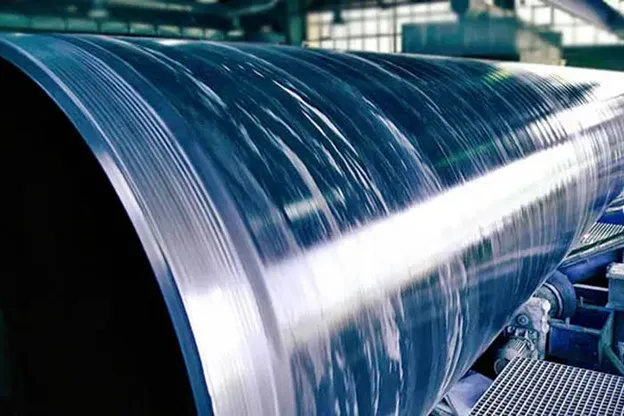
By following these methods and using appropriate solutions, you can prevent polyethylene pipes from breaking and bursting in your plumbing system and increase the useful life of the pipes. In any case, to prevent polyethylene pipes from breaking and bursting, it is recommended to always follow the relevant industry guidelines and standards and select and install pipes according to the needs and environmental conditions. Also, regular maintenance and cleaning of the pipes and periodic inspections can also help to identify and fix possible problems.