

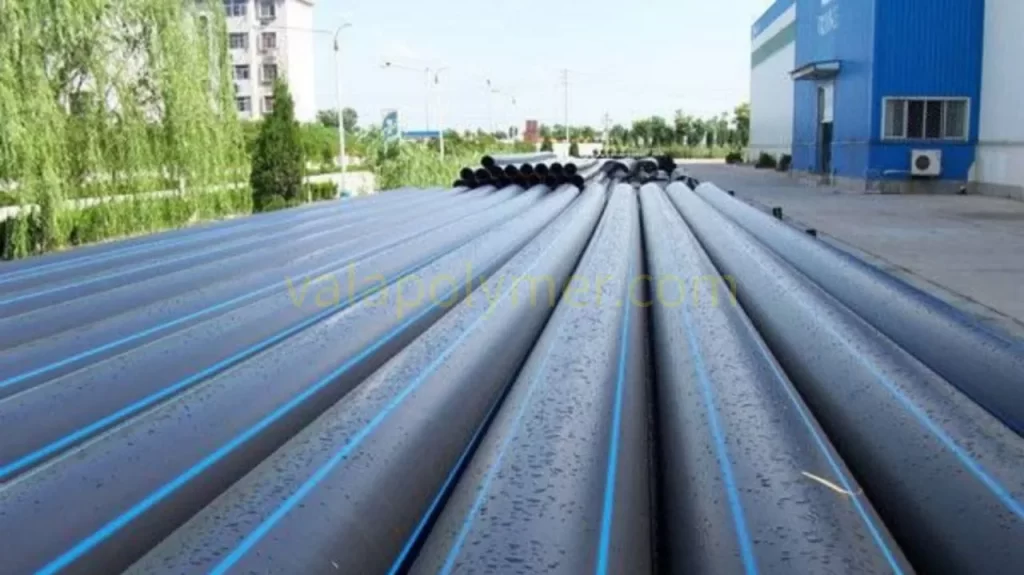
Introduction to polyethylene pipe testing methods
Polyethylene Pipe: Selection, Pressure Testing, and Key Features for Industrial and Civil Projects
The importance of polyethylene pipes in modern projects
Polyethylene pipe is one of the most important and widely used equipment in water supply, sewage, agriculture, gas supply and industrial network projects. This type of polyethylene pipe is always the first choice of professional engineers and contractors due to its high resistance to pressure, flexibility, long life and quick installation.
Incorrect selection of polyethylene pipe can lead to wasted capital, project delays, safety hazards, and increased maintenance costs. Therefore, accurate knowledge of pressure testing, standards, and technical specifications of polyethylene pipe is a necessity for every industrial and civil project.
In this article, you will learn practical tips for purchasing, selecting the right polyethylene pipe, and hydrostatic testing it so you can make a confident and economical decision for your project.

Polyethylene pipe pressure testing: quality and safety assurance
What is hydrostatic testing and why is it necessary?
Pressure testing or hydrostatic testing is a scientific and standardized method for measuring the resistance of polyethylene pipe to operating pressure. In this process, the polyethylene pipe is subjected to a certain pressure of water or test fluid and the degree of deformation, cracking or leakage is examined.
The main purpose of this test is to ensure the actual performance of the polyethylene pipe under the project’s operating conditions and to prevent network failure after installation.
Steps to perform a polyethylene pipe pressure test
- Installation of polyethylene pipes in a laboratory or factory environment according to international standards.
- Applying water pressure up to 1.5 times the nominal pressure of the polyethylene pipe (Pressure Nominal – PN).
- Maintaining pressure for a standard period of time, usually one hour, to determine the behavior of the polyethylene pipe under actual pressure.
- Checking polyethylene pipes for leaks, cracks or deformation using precision equipment.
- Issuance of pressure test report and product quality confirmation by an accredited laboratory.
The importance of polyethylene pipe pressure testing
- Ensuring the actual network and project stress tolerance.
- Identifying production defects and raw material quality.
- Ensuring compliance with national (INSO 14427) and international (ISO 4427) standards.
- Reduce maintenance costs and extend network lifespan.

Important features of polyethylene pipes for project purchase
1. Valid standards and certificates
Standard polyethylene pipe usually has a quality certificate and standard mark, indicating that the product is durable and reliable for various projects.
2. Quality raw materials (PE100 and PE80)
The grade of the raw material directly affects the resistance of the polyethylene pipe to pressure, impact, and temperature. PE100 and PE80 are the most widely used raw materials for industrial and civil projects.
| Material grade | Permissible operating pressure | Pros | Suggested use |
| PE100 | PN10-PN16 | High resistance, long lifespan | Water, gas and sewage networks |
| PE80 | PN6-PN10 | Good flexibility, reasonable price | Agricultural and light industrial networks |
3. Soot control and production quality
Uneven distribution of soot or use of poor quality materials can cause polyethylene pipe to crack and reduce its useful life. Pressure testing of polyethylene pipe will reveal these problems before installation.
4. Suitable nominal pressure tolerance (PN10, PN16, etc.)
Selecting a polyethylene pipe with the appropriate nominal pressure, based on hydrostatic test results, ensures stable network performance and prevents breakage or leakage.
5. Warranty and after-sales service
Reputable polyethylene pipe companies usually provide a pressure test report along with a quality guarantee, making the purchase safe and low-risk.
6. Reviewing the history of completed projects
The use of polyethylene pipe with successful pressure testing in real projects demonstrates its stable and reliable performance under operational conditions.

Additional features for choosing polyethylene pipes
- Variety of sizes and nominal pressures: Access to a wide range of sizes and nominal pressures allows polyethylene pipes to be precisely matched to project needs and reduces network problems.
- Quality of connections and welding services: Poor connections cause leaks, breakages, and network failures. Pressure testing of welded polyethylene pipe ensures a tight, leak-free connection.
- Production capacity and order supply ability: Polyethylene pipe must be produced and available in sufficient quantities to ensure that the project proceeds without delay and to prevent work stoppages.
- Technical support and expert advice: Reputable companies provide technical advice, installation training, and project support services, which reduces the risk of implementation errors and possible damages.
- Price and contract transparency: A transparent contract along with a pressure test report and quality guarantee prevents later legal and financial problems.
Practical tips for choosing the best polyethylene pipe
- Checking the nominal pressure and wall thickness of the polyethylene pipe: ensuring the actual pressure tolerance of the project.
- Ensuring quality certification and factory standards: Guaranteeing the durability and longevity of the polyethylene pipe.
- Using polyethylene pipe pressure test results: indicating actual resistance under operating conditions.
- Selection of standard connections and accessories: Prevent network leaks and failures.
- Attention to technical support and after-sales service: Reducing the risk of installation and maintenance errors.

Conclusion: Why is pressure testing and technical specifications important?
Polyethylene pipe pressure testing is a scientific and vital criterion for buyers and engineers of civil and industrial projects. The combination of quality raw materials, standards, appropriate nominal pressure, durable connections and professional support ensures that the selected polyethylene pipe guarantees high safety and a long service life for your project.
Using standardized and tested polyethylene pipe minimizes maintenance costs, operational risks, and project delays, ensuring network performance over time.

Frequently Asked Questions About Polyethylene Pipe and Pressure Testing
1. When is the pressure test of polyethylene pipe performed?
Before delivery of the polyethylene pipe to the buyer and after production in the factory.
2. Is pressure testing required for all sizes of polyethylene pipe? Yes, all sizes must be tested to verify product quality.
3. What is the difference between factory and project pressure testing?
Factory testing is carried out to control production quality, and project testing is carried out to ensure actual performance under operational conditions.
4. What is the best nominal pressure of polyethylene pipe for water and gas supply?
It varies depending on the project, but PN10 and PN16 are commonly used.
5. What features ensure the selection of the right polyethylene pipe?
Quality raw materials, reliable standards, robust connections, technical support and a reliable pressure test report.
6. What is the difference between PE100 and PE80 polyethylene pipes in practical application? PE100 is more resistant and suitable for high-pressure projects, while PE80 is suitable for low-pressure networks or agricultural projects.