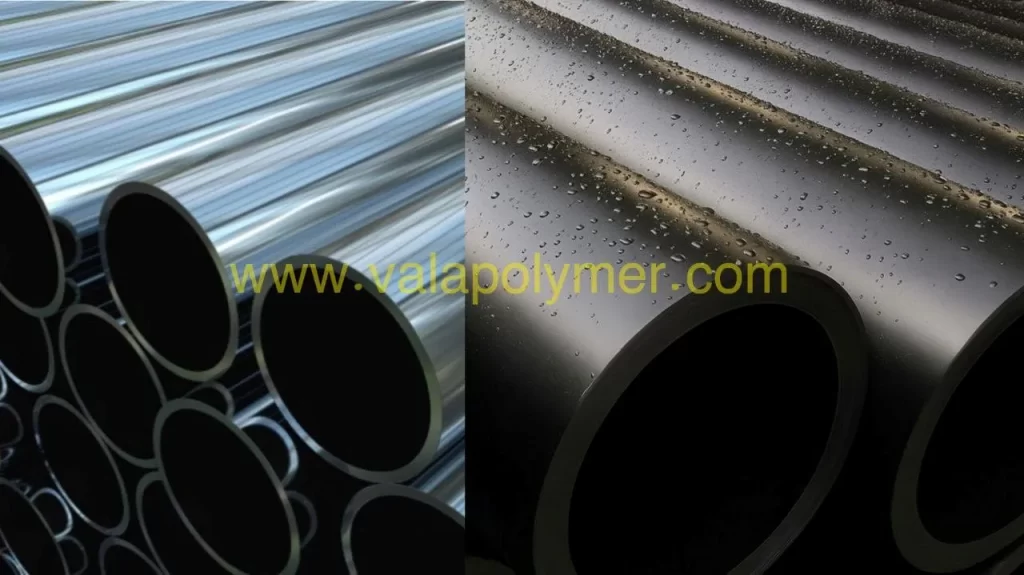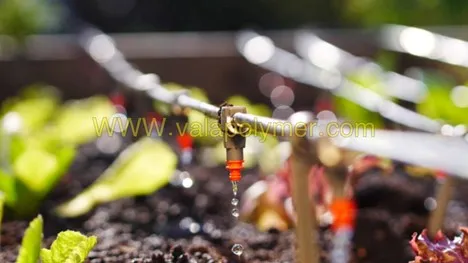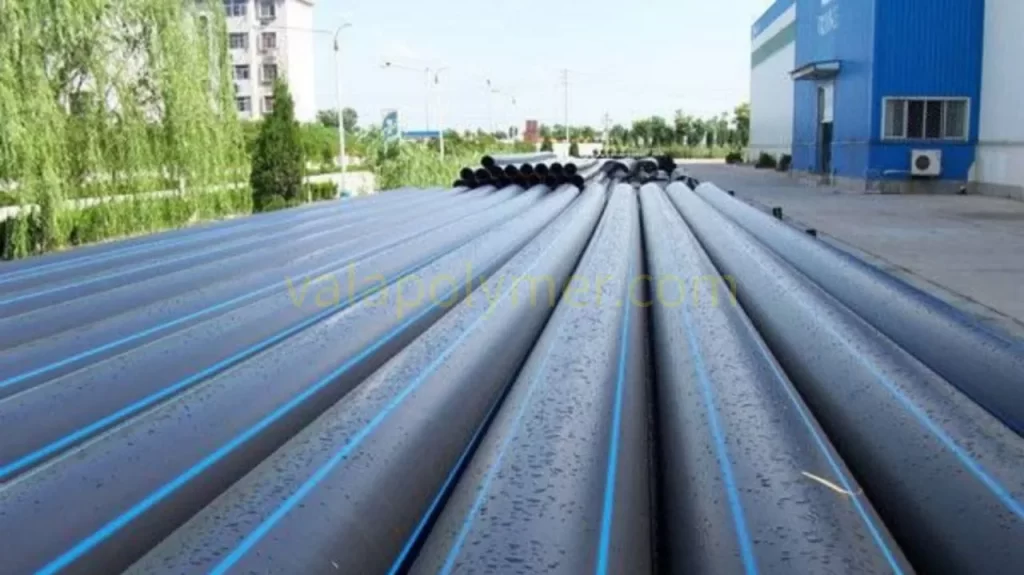


Single-wall polyethylene pipes are a cost-effective solution for a wide range of applications, including gas distribution, municipal water supply and sewage, industry, marine facilities, mining, landfills, power and telecommunications conduits. In addition, they are efficient for aerial, underground, surface, floating and marine installations.
If you add to this the potential for lower maintenance costs and longer service life, we understand why these pipes are so competitive in global markets. One of the first applications of semi-dense (MDPE) was the distribution of natural gas.
In fact, many of the systems currently in operation have been in operation since the 1960s with considerable success.
Today, 95% of the natural gas transmission pipes under 12 inches installed in the United States and Canada are single-walled, making it the product of choice not only in North America but throughout the world.
Single-wall pipe has been used in drinking water applications for almost 50 years and has consistently achieved approvals and growth in municipal use.
Single-wall pipe is quality controlled according to NSF, AWWA and ASTM standards.
Below are some of the benefits of single-wall polyethylene pipes:
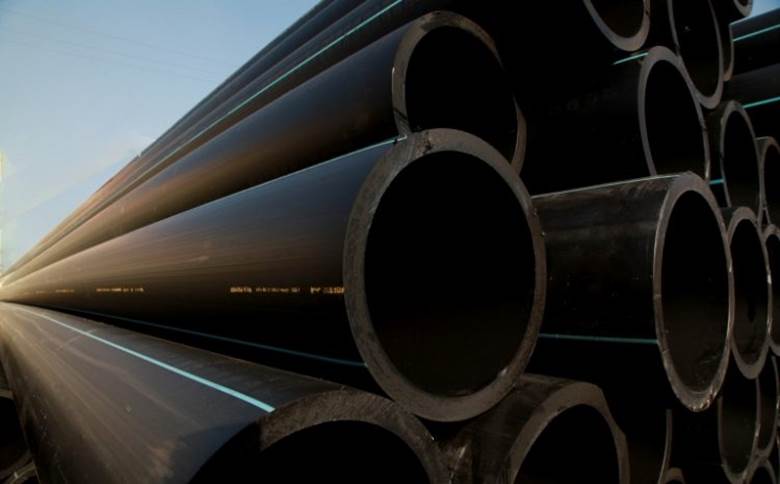
• Savings in life cycle costs
In urban applications, the life cycle costs of single-wall pipe can be significantly lower than other types of pipe.
The completely smooth inner surface of the single-walled pipe maintains special flow properties, and thermal welding eliminates leaks.
These have proven to be a successful combination for reducing system operating costs.

•Leak-free and fully restrained connections
Connecting polyethylene pipes using heat welding creates leak-free joints that are extremely strong.
The use of welding in urban applications eliminates potential leakage points, which in other types of pipes are 10% or more, but this rate is relatively zero in single-walled pipes due to the possibility of using welding.
In addition, the welded points of polyethylene pipes have a self-locking property, which, while maintaining the integrity of the connections, eliminates the need for expensive shock absorbers or shock blocks.
Despite the advantages of the butt welding method, engineers have other ways to connect single-walled pipes, including electrofusion and mechanical joints.In electrofusion joints, pipes or fittings are joined together using an electric heater built into them. Sometimes mechanical connections are needed to connect pipes to other components such as valves or other devices. For such purposes, special fittings have been developed and are widely available to meet most application needs