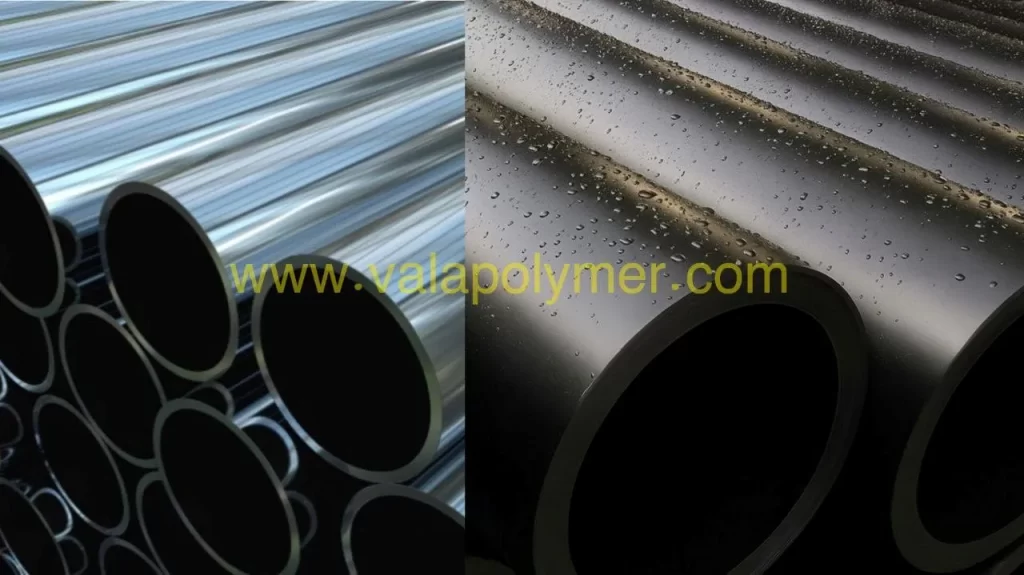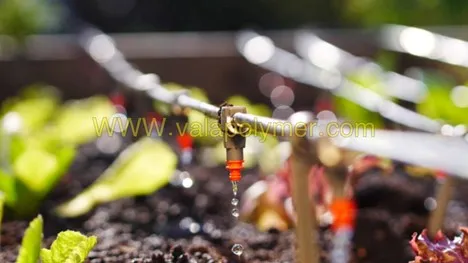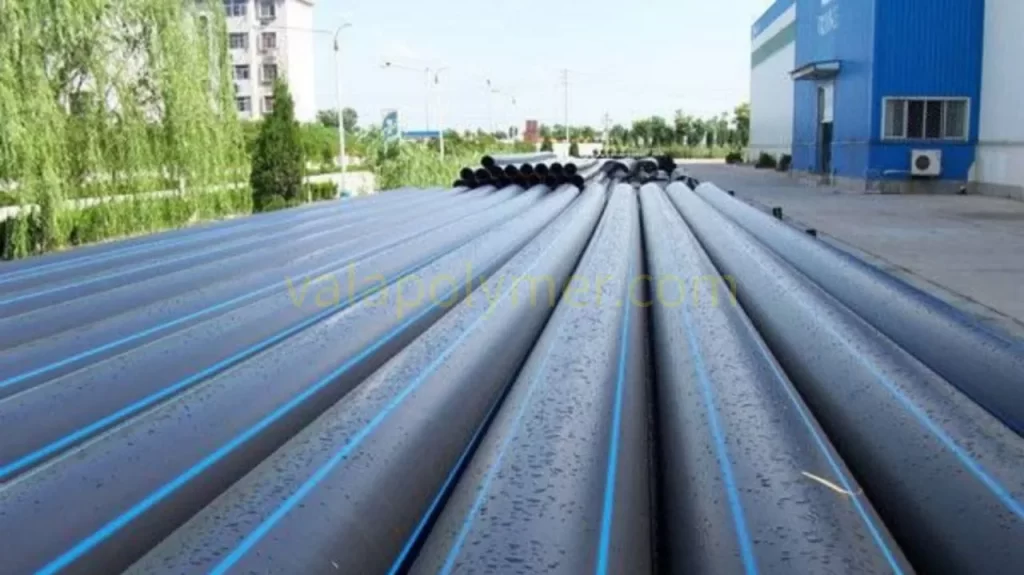


Water scarcity is a major issue, and since it plays a significant role in agricultural production, it is likely that in the future the price of these products will be evaluated in terms of the unit of water consumed. This indicates the importance of proper and modern irrigation methods.This is where the use of polyethylene pipes in agriculture comes in. Pressure irrigation using polyethylene pipes greatly reduces water consumption and increases the area under cultivation.
Application of polyethylene pipes in the agricultural industry
Traditional surface irrigation often consumes large amounts of water and can be said to be an irrational agricultural irrigation method. Currently, with the improvement of people’s awareness of energy saving and environmental protection, irrigation methods in agriculture have undergone many changes. The emergence of modern irrigation methods such as drip irrigation has gradually replaced traditional methods. The most important applications of polyethylene pipes in agriculture include the following.
Use in urban and rural projects
Polyethylene pipes are widely used in large and small projects such as internal and external water supply in urban and rural areas, rural water improvement, agricultural land irrigation, drainage, drip and sprinkler irrigation, etc.
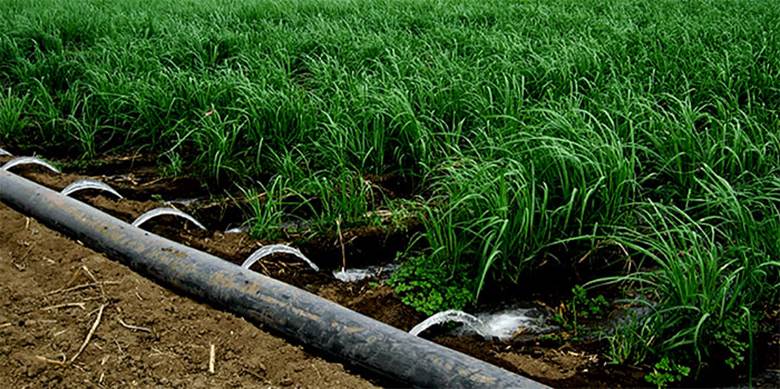
Preventing moisture accumulation in farms
The fact that polyethylene irrigation pipes prevent moisture accumulation in agricultural fields and orchards is one of the most attractive aspects of the use of polyethylene pipes in the agricultural industry, as a result of which moisture buildup may be prevented.
Preventing the spread of diseases, pests, and fungi in farms
The emergence and spread of specific diseases that affect flowers and plants, such as fungi and pests in agricultural fields and urban greenhouses (which have more specific conditions than agricultural fields)When using other plastic and polymer options, the rate of use of polyethylene pipes in piping networks for agricultural irrigation, pesticides, and water distribution has increased due to its unique characteristics, and the use of polyethylene pipes in agriculture has also increased.
Some of these features distinguish polyethylene pipes from other types of pipes. The following are some of the advantages of polyethylene pipes that encourage farmers to use this type of pipe and make the use of polyethylene pipes in agricultural fields more prominent.
- high strength;
- ease of installation;
- low price;
- High flexibility and durability;
- lightweight;
- Resistant to sunlight;
- impact and corrosion;
- Various sizes and dimensions.
Polyethylene pipes used in agriculture also enable plants to maintain their resistance to toxins. They may even save resources such as pesticides and fertilizers.
Distribution and transportation of chemical fertilizers
Pipes made of polyethylene are used in agriculture due to their capacity to distribute and transport chemical fertilizers, as well as other essential substances for plants during irrigation.For this reason, farmers know that combining fertilizer with water can be an effective way to grow their crops. Plus, you can be sure that none of your resources, including fertilizers and pesticides, which have become much more expensive in recent years, will be wasted.
Cost savings
Installing polyethylene pipes in agricultural fields may result in cost savings, as the ideal production cost of polyethylene pipes is significantly lower than other pipe materials.Meanwhile, polyethylene pipes are cost-effective
to install and do not require significant investment. Depending on the density, quality, and grade of the material, these pipes can last between fifty and one hundred years.
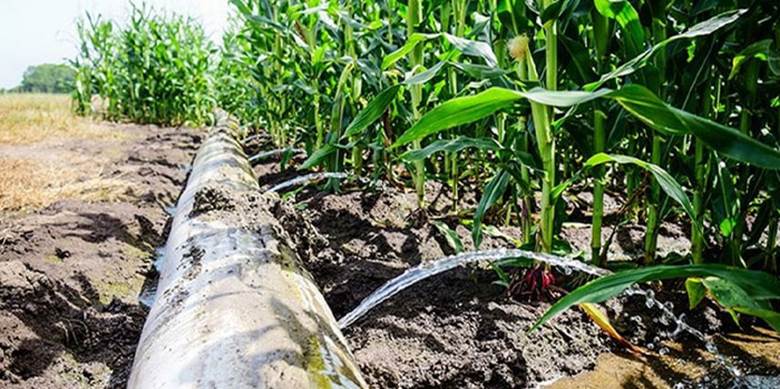
Increasing the volume and pressure of water supply to agricultural products
The necessity of using polyethylene pipe in agriculture becomes more apparent when we know that both the pressure and the irrigation flow inside the polyethylene pipe increase. The internal surfaces of these pipes are extremely smooth and therefore maintain a very good flow rate, often in water-deficit conditions.By providing and installing polyethylene pipes, the volume and pressure of water supply to agricultural crops can be increased in a completely manageable way. This takes the water supply to agricultural crops to a higher level and is a very necessary consideration for agricultural lands that have slopes.
Read more: Lifespan of drip irrigation polyethylene pipe
Reducing the amount of water lost through evaporation
Agricultural fields may be serviced by polyethylene pipes operating at various pressures and at maximum efficiency, reducing the amount of water lost through evaporation and seepage in agricultural fields.Additionally, polyethylene pipes have high heat resistance, meaning that in addition to preventing water loss, they are considered to be particularly suitable alternatives for use in above-ground drainage systems.
The use of these pipes may also be of great help in managing groundwater levels and preserving the natural environment. Pipes and fittings made of polyethylene come in a wide variety of sizes and can withstand various working pressures.
Low-density polyethylene, abbreviated as LDPE, and high-density polyethylene, abbreviated as HDPE, are two types of polyethylene that are more widely used in agricultural fields than other polyethylene pipes.
Enjoying the benefits of polyethylene pipes
The following are some of the benefits of polyethylene pipes for agricultural irrigation:
- Since these pipes are connected through thermal fusion, their connection is very secure and strong.
- If these pipes are hit at low temperatures, such as in winter, they will not break because they are highly resistant to impact.
- Chemicals, pesticides, and pesticides used on plants that are present in the soil do not destroy them! Because they are highly resistant to chemical corrosion.
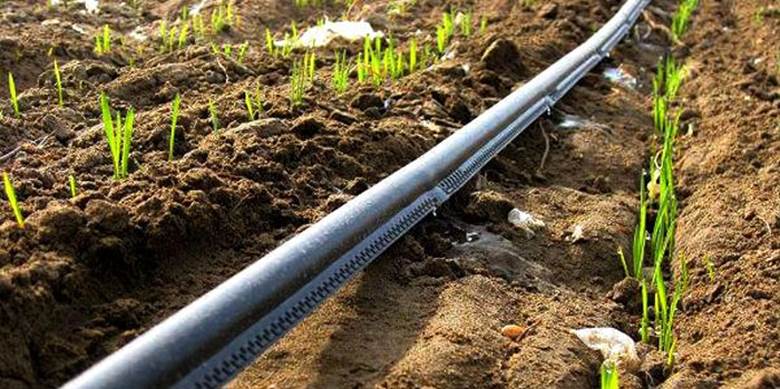
- By using various types of polyethylene tapes, such as the placarded type tape, in addition to reducing water consumption, it is possible to save some amount of fertilizer, poisons, and pesticides. These tapes are able to work at low water pressures, so they can be used during times of water shortage.
- Using polyethylene agricultural pipes, pesticides and fertilizers can be transferred to agricultural lands through the flow of water. As a result, these pipes do not allow strong and high-dose pesticides and fertilizers to come into contact with plants. In fact, these pesticides and fertilizers cannot cause much damage to crops and plants.
- Another advantage of using polyethylene pipes in agriculture is that these pipes do not allow moisture to accumulate in the fields. Everyone knows that the accumulation of moisture can create a suitable environment for the reproduction and growth of fungi and other pests. As a result, it can be said that polyethylene agricultural pipes prevent the occurrence and reproduction of certain plant diseases.
In the end
In this article, we discussed the importance, application, and benefits of polyethylene pipes in the agricultural industry. It should be noted that Vala Polymer Novin Manufacturing Industries, by producing and supplying various types of polyethylene pipes for irrigation and water supply, gas supply, sewage, and industrial transmission, is trying to take useful steps towards realizing the macro policy of improvement and productivity in the country’s water industry.All production lines are equipped with advanced process quality control systems, which guarantees the quality of the company’s products. For free consultation, comprehensive information, and purchase of high-quality polyethylene pipes at reasonable prices from Vala Polymer, you can contact the experts of this complex.