

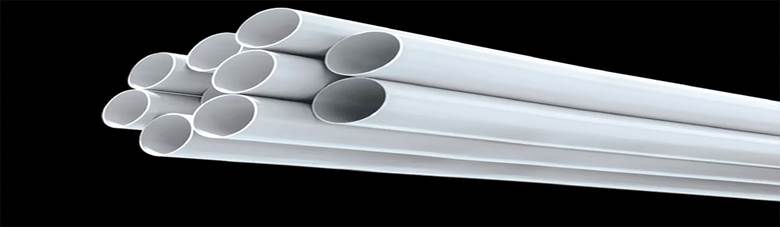
Difference between PVC and UPVC
The main difference between PVC and uPVC (Unplasticized Polyvinyl Chloride) is in their production process and mechanical properties. The following is an explanation of the differences between each of these materials:
PVC (Polyvinyl Chloride)
-
- PVC is a plastic material that consists of several condensed units of polyvinyl chloride.
- PVC is made into a flexible or soft material due to the use of a plasticizer in the manufacturing process.
- PVC is used in common applications in the construction industry, including water and sewage pipes, cable conduits, and windows.
- PVC performs best in some indoor applications due to its lower resistance to temperature changes and sunlight.
uPVC (Unplasticized Polyvinyl Chloride)
-
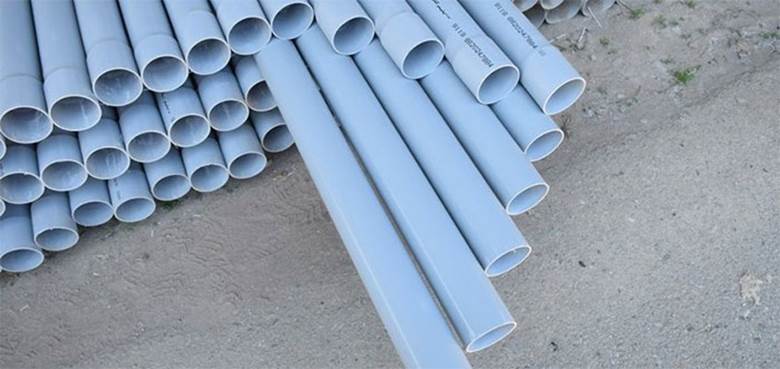
- uPVC is the unplasticized version of PVC, meaning that no plasticizers are used in its manufacturing process.
-
- uPVC is manufactured as a rigid material that is more resistant to temperature changes and environmental conditions.
- uPVC is mainly used in applications that require high resistance to pressure, corrosion, and temperature changes, such as high-pressure water and sewage pipes, gas pipes, valves, windows, and doors.
- uPVC is also used for marine, shipbuilding, and chemical industry applications because of its good resistance to corrosion and harsh environmental conditions.
In short, the main difference between PVC and uPVC is in their mechanical properties. PVC is softer and more flexible and is suitable for indoor applications, while uPVC is stiffer and is used for higher strength applications.
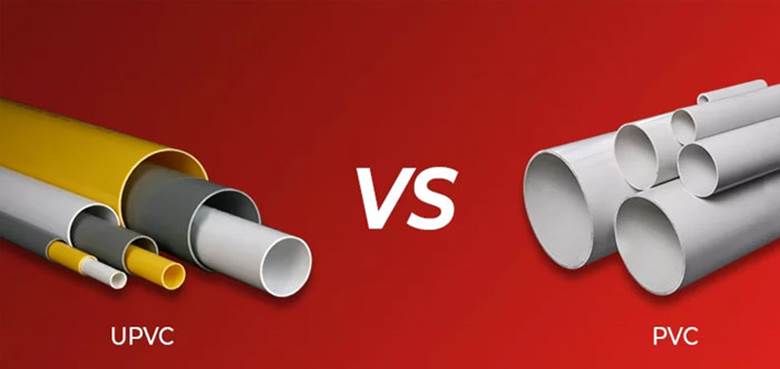
In summary, the difference between PVC and UPVC pipes is as follows:
Heat resistance
-
- PVC: PVC has a more limited heat resistance than uPVC. At high temperatures, PVC may begin to soften and deform.
- uPVC: Due to its rigid structure, uPVC has better heat resistance and shows less deformation at high temperatures.
Corrosion resistance
-
- PVC: PVC has less resistance to chemical corrosion and solvents. It may discolor and corrode in some cases under the influence of certain chemicals.
- uPVC: Due to its plasticizer-free structure, uPVC has better resistance to corrosion and the effects of chemicals.
Mechanical resistance
-
- PVC: PVC is slightly weaker in terms of mechanical resistance and can break under impact and pressure.
- uPVC: Due to its more rigid structure, uPVC is more resistant to pressure, impact, and mechanical stress.
Resistance to sunlight
-
- PVC: PVC has limited resistance to ultraviolet rays from sunlight and may discolor and deform over time.
- uPVC: Due to its stiffer and purer structure, uPVC has better resistance to and is less affected by ultraviolet rays from sunlight.
Flexibility
-
- PVC: PVC is more flexible than uPVC due to the use of a plasticizer in the manufacturing process. This property can be useful in some applications such as bending and adjusting ductility.
- uPVC: Due to the lack of use of plasticizers in the manufacturing process, uPVC has a stiffer structure and is less flexible than PVC.
Electrical resistance
-
- PVC: PVC has good electrical properties and is used as an electrical insulator. Therefore, PVC is suitable for applications that require electrical insulation.
- uPVC: uPVC also has good electrical properties and can be used in electrical applications.
Color stability
-
- PVC: PVC can be affected by UV rays from sunlight and change color over time. This may be a concern in applications where the appearance of the product is important.
- uPVC: Due to its special structure, uPVC has the best color resistance to ultraviolet rays and has less color change over time.
price
-
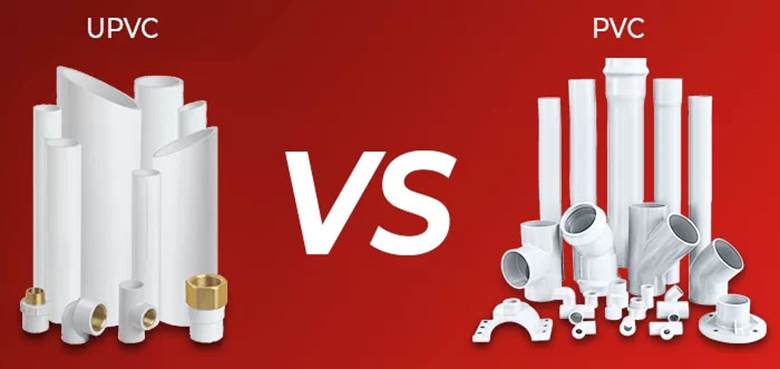
- PVC: PVC is generally less expensive than uPVC due to the use of plasticizers and an easier manufacturing process.
- uPVC: uPVC is more expensive than PVC due to the use of purer materials and a more complex manufacturing process.
Considering the above, when choosing between PVC and uPVC, consider the needs, application environment, mechanical properties, and desired chemical properties.