

Sealing polyethylene connections – methods and preventing leaks
Sealing polyethylene connections is a vital step in water supply, sewage and agricultural irrigation networks. Observing the principles of sealing reduces leakage, increases the life of the network and reduces maintenance costs. Also, using Vala Polymer standard pipes and fittings ensures the implementation of a resistant and durable network.
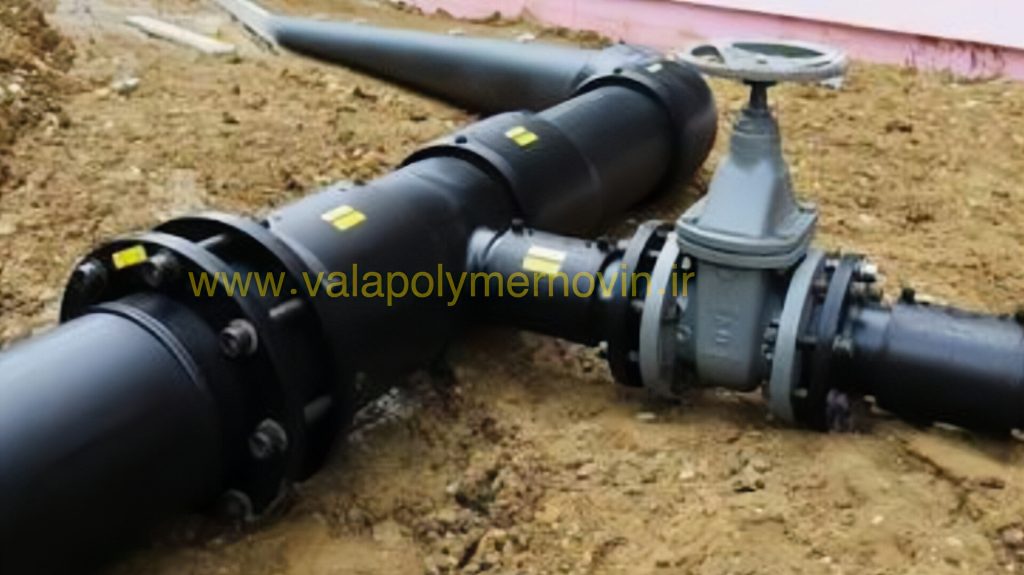
Proper sealing results in:
- Reduce water waste and reduce costs.
- Increase the useful life of piping networks.
- The system’s resistance to pressure and environmental conditions increases.
- Water pollution should be controlled, especially in drinking water networks.
- Network integrity is ensured and the risk of sudden failure is reduced.
For this reason, observing the principles of waterproofing engineering is of great importance.
Types of polyethylene pipes and methods for sealing polyethylene connections
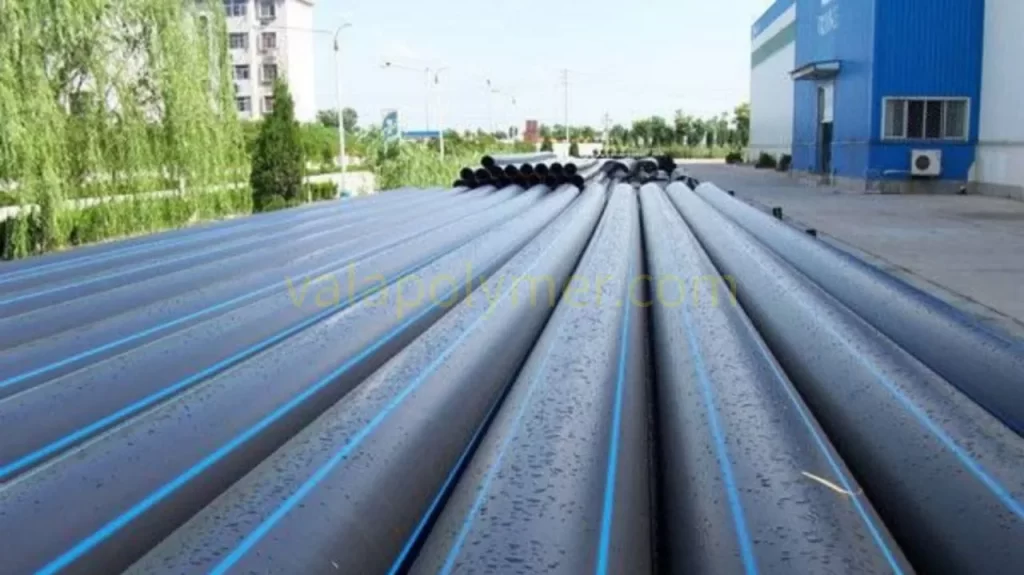
PE80 polyethylene pipe and preventing leakage of joints
These pipes are suitable for medium pressure and agricultural projects. High flexibility and good impact resistance ensure sealing quality even in curved paths.
PE100 polyethylene pipe and durable joint sealing
They are used for high pressures and industrial projects. The high resistance of these pipes to pressure and temperature reduces the risk of breakage and increases the lifespan of the network.
Branched polyethylene pipe and durable fittings
This type of pipe has quick installation and high compatibility with standard connections, and is suitable for water distribution and irrigation networks.
Polyethylene pipe for drinking water and safe sealing
Designed in accordance with health standards, it is resistant to pressure and chemicals, and is recommended for urban and rural networks.
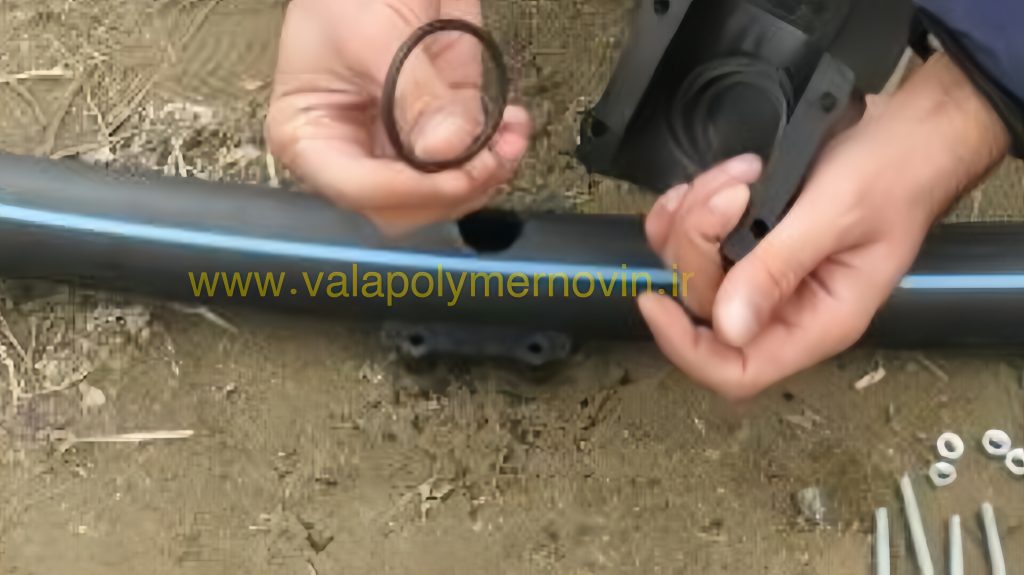
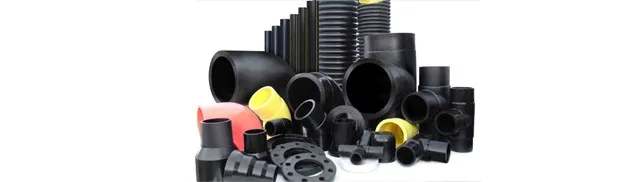
Types of polyethylene connections and sealing methods
Screw connections (threaded) and leak control
These fittings are suitable for low pressure and agricultural projects. Sealing is done with O-rings and rubber gaskets, and periodic inspection of the sealing quality is essential.
Butt fusion joints and leak prevention
This method provides a permanent, high-pressure-resistant connection. With a standard welding machine and a skilled operator, a reliable seal is achieved without the need for O-rings or gaskets.
Electrofusion joints and reliable sealing
Electrofusion fittings offer the most precise and reliable sealing method. This method creates a seamless connection by melting the pipe surface and is suitable for sensitive and industrial projects.
Flange connections and pipe sealing to metal equipment
These fittings are used to connect polyethylene pipes to metal equipment. Repeated opening and closing is possible without damaging the seal, and sealing is achieved with gaskets and bolts.
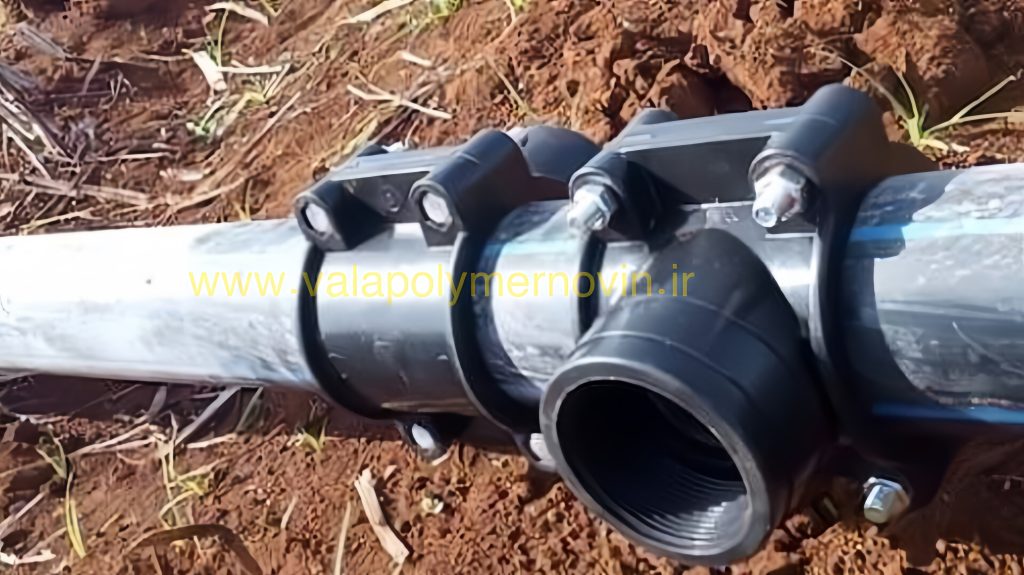
Factors causing leaks in polyethylene connections
- Use of non-standard or worn-out fittings
- Improper pipe preparation (irregular cut, crimps, contamination)
- Unprofessional installation and use of inappropriate tools
- Failure to observe the appropriate temperature and time in butt fusion and electrofusion welding
- Excessive pressure and adverse environmental conditions
- Wear of O-rings and washers in bolted joints
By following these tips, you can prevent the smallest defects that cause leaks and reduce the lifespan of the network.
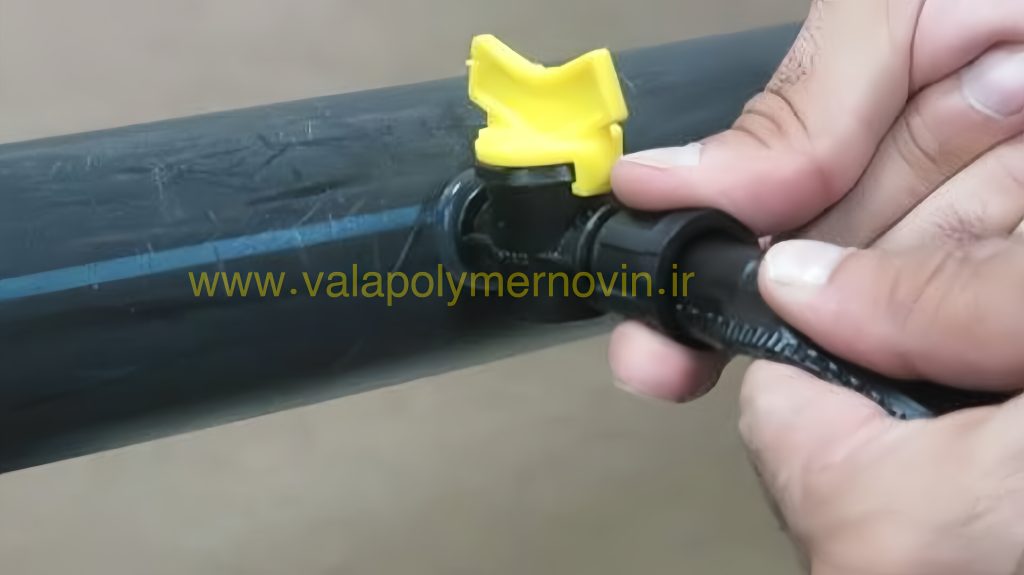
Specialized methods for sealing polyethylene joints
- Pipe preparation: smooth cutting, surface cleaning and cutting angle control.
- Choose the right connection: bolted for low pressure, welded or electrofusion for high pressure.
- Use of sealing materials: O-rings, Teflon tape, and precise control of welding temperature and time.
- Pressure testing: Conducting hydrostatic testing and quickly correcting problem areas.
- Periodic maintenance: replacing O-rings and checking network pressure.
- Pressure and temperature analysis: calculate pressure tolerance and predict network behavior.
- Document recording: Record installation details and environmental conditions for quality assurance.
The best sealing method
- Electrofusion: The most precise and durable connection.
- Butt fusion: economical and resistant to high pressure.
- Bolted connections: Suitable for light and agricultural projects, but require more maintenance and precision.
Standards and quality assurance
- ISO 4427: Water transportation with polyethylene pipes
- DIN 8074/8075: Dimensions and pressure of pipes
- INSO 14427: Iranian National Standard for Water Supply Pipes
Frequently Asked Questions
1. Why are electrofusion joints recommended for high pressure applications?
They create a solid, durable joint that withstands pressure and temperature changes.
2. Factors affecting the lifespan of a seal?
Pipe type, working pressure, installation quality, environmental conditions and periodic maintenance.
3. What is the difference between butt fusion and electrofusion?
Butt fusion is economical and requires operator precision, while electrofusion is more precise and robust.
4. Reasons for O-ring failure?
Excessive pressure, improper installation, contact with chemicals and UV radiation.
5. Ensuring watertightness in underground networks?
Correct installation, robust connections, pressure testing and compliance with standards.