

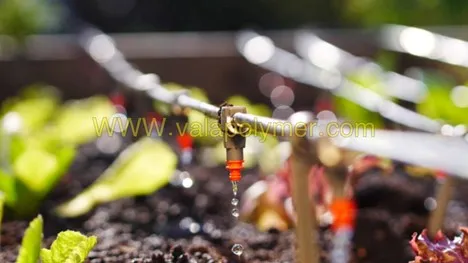
Choosing the right irrigation method plays an important role in increasing agricultural efficiency and managing water resources. The two common methods in Iranian agriculture are drip irrigation and sprinkler irrigation, each of which requires the use of standard, high-quality polyethylene pipes.
What is drip irrigation?
In drip irrigation, water is distributed directly to the plant roots in the form of small droplets through mainline and lateral polyethylene pipes or agricultural tape.
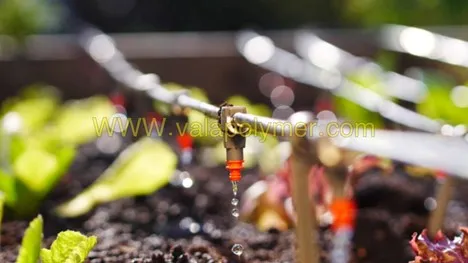
Advantages of drip irrigation with polyethylene pipe:
- Save up to 60% water
- Reducing weed growth
- Preventing fungal and bacterial diseases
- Possibility of precise irrigation fertilizer (fertigation)
Suitable products from the Vala Polymer Novin brand:
- 16 and 20 mm polyethylene pipe for laterals
- Side-stitched tape with intervals of 10, 20 and 30 cm
- High pressure polyethylene pipe PN10 and PN16 for main lines
What is sprinkler irrigation?
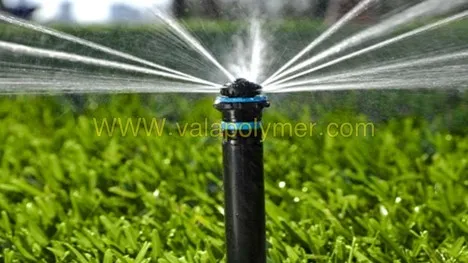
In sprinkler irrigation, water is transferred to sprinklers by a pump through high-pressure polyethylene pipes and sprayed onto the field like rain.
Benefits of sprinkler irrigation with polyethylene pipe:
- Ease of installation and setup
- Uniformity of water distribution in the field
- Increasing air humidity and cooling the environment
- Suitable for large crops such as wheat, barley, potatoes and corn
Suitable products from the Vala Polymer Novin brand:
- High pressure polyethylene pipe PE100 in sizes 90 to 225 mm
- Electrofusion fittings and high pressure valves
- UV-resistant pipes for outdoor use
Technical differences between drip and sprinkler irrigation
| Feature | Drip irrigation | Sprinkler irrigation |
| Polyethylene pipe type | 16 and 20 mm polyethylene pipe + tape | High pressure polyethylene pipe PE100 |
| Working pressure | Low (0.8–1.2 bar) | High (2.5–6 times) |
| Water consumption | Optimal and low | More, with evaporation losses |
| Type of cultivation | Vegetables, summer, gardens | Grains, fodder, extensive crops |
Why Valla Polymer Novin?
Vala Polymer Novin Manufacturing Industries Company, with over 15 years of experience, is a specialized manufacturer of polyethylene pipes from 16 to 800 mm in size and agricultural lap-sewn tape. This reputable brand has become one of the pioneers of Iran’s polyethylene industry with an annual production capacity of 17,500 tons and exports to Iraq, Turkmenistan, Azerbaijan and Arab countries.
summary
If you are looking to save water, increase crop yield, and choose standard polyethylene pipe, your choice depends on the type of crop:
- For vegetables, vegetable gardens and orchards → Drip irrigation with polyethylene pipe and tape
- For cereals and large fields → Sprinkler irrigation with high-pressure polyethylene pipe
Vala Polymer Novin is a reliable companion for farmers in Iran and the region, providing complete solutions in both methods.
Frequently Asked Questions About Drip and Sprinkler Irrigation with Polyethylene Pipes
1. What type of polyethylene pipe should be used for drip irrigation?
In drip irrigation, 16 and 20 mm polyethylene pipes are usually used for laterals (branches at the base of the plant) and PE100 high-pressure polyethylene pipes in sizes 90 to 160 mm are used for the main lines (mainline). Also, for row crops and vegetables, you can use a side-stitched tape with intervals of 10, 20 or 30 cm. The Vala Polymer Novin brand produces all three types of products with export quality.
2. What type of polyethylene pipe is suitable for sprinkler irrigation?
In sprinkler irrigation, due to the high pressure of the system, PE100 high-pressure polyethylene pipe with SDR11 or SDR17 standard and working pressure PN10 to PN16 should be used. Common sizes are between 90 and 225 mm so that water reaches the sprinklers without pressure loss. Vala Polymer Novin products with high resistance to pressure and UV rays are the best option for this type of system.
3. What is the main difference between polyethylene pipes for drip and sprinkler irrigation?
- In drip irrigation, the pipes are smaller in size (16 and 20 mm) and have low working pressure, delivering water directly to the plant roots.
- In sprinkler irrigation, the pipes are larger in size (90 to 225 mm) and have higher working pressure, and are responsible for uniformly transferring water to the sprinklers.
4. Can the same type of polyethylene pipe be used for both methods?
No. Each irrigation system requires a specific design and pipe appropriate for the pressure and flow rate of water. Using the wrong polyethylene pipe will cause pressure drop, bursting, and reduced system efficiency. For this reason, brands like Vala Polymer Novin produce polyethylene pipes in different sizes and pressures so that there is a specific option for each project.
5. Which agricultural crops are best suited for drip irrigation?
- Vegetables (tomatoes, cucumbers, peppers, eggplant)
- Vegetables (watermelon, melon, pumpkin)
- Vineyards and fruit orchards (pistachios, grapes, citrus)
For these crops, using a side-stitched tape and 16 and 20 mm polyethylene pipes has the best efficiency.
6. Which products are best suited for sprinkler irrigation?
- Cereals (wheat, barley, rice)
- Forage crops (corn, alfalfa)
- Potatoes and large industrial farms
In these crops, sprinkler irrigation with high-pressure polyethylene pipes and uniform sprinklers increases yield.
7. Do modern high-polymer polyethylene pipes have export standards?
Yes. Vala Polymer Novin products are manufactured in accordance with Iranian national standards (ISIRI) and international standards. In addition to supplying domestic projects, the company has had successful exports to Iraq, Turkmenistan, Azerbaijan and Arab countries.
8. What is the lifespan of polyethylene irrigation pipes?
If high-quality raw materials (PE100) are used, standard working pressure is maintained, and polyethylene pipes are installed correctly, they can have a useful life of between 20 and 50 years. Vala Polymer Novin products are guaranteed to have long-term durability with strict quality control (PQC) tests.
9. What is the difference between the cost of implementing drip and sprinkler irrigation?
- Drip: Higher initial cost (due to the use of tape, drippers, and more precise design) but saves water and fertilizer in the long run.
- Rainwater: Lower initial cost but higher water consumption and higher chance of wastage.
10. Why should you buy polyethylene pipe from a reputable brand?
Because the quality of raw materials and precision in production have a direct impact on durability, pressure tolerance, uniformity of water flow, and reduced repair costs. Buying from a reputable manufacturer like Vala Polymer Novin means a long-term investment in agriculture.